- Home
- News & Events
- News
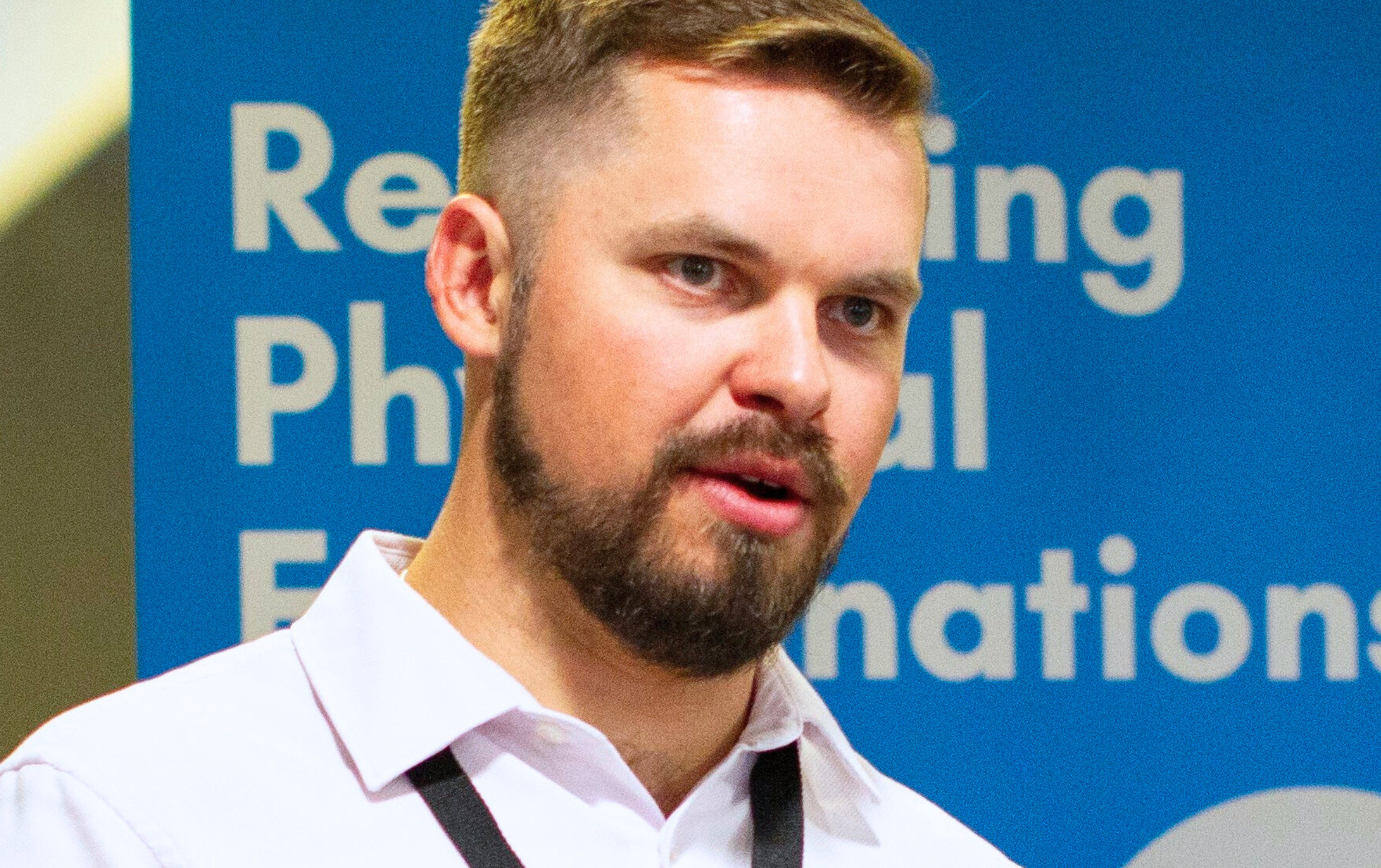
UK Science Diplomat C. Rybner Invites to the International Conference: The Baltic States Have Much to Offer in Innovation
For the first time in Lithuania, the International Science Week “(re)SEARCH 2025”, launched by the Research Council of Lithuania, is bringing together leaders from science, business, government, and international organizations for a week of discussions and networking.
The program will culminate on Friday, 17 October, with the international practical conference “Tech Transfer Unlocked: Bridging Ideas Across the Region and UK”.
The event is organized by the British Embassy in Vilnius, the Center for Physical Sciences and Technology (FTMC), and Vilnius University. It will feature leading experts from prestigious academic and business institutions and aims to promote technology transfer and collaboration in innovation between the UK, the Baltic states, Finland, and Ukraine.
Cristofer Rybner, Head of Science and Technology for the Baltic States at the UK Embassy and the conference’s main organizer, speaks about the region’s growing potential to become a hub for innovation.
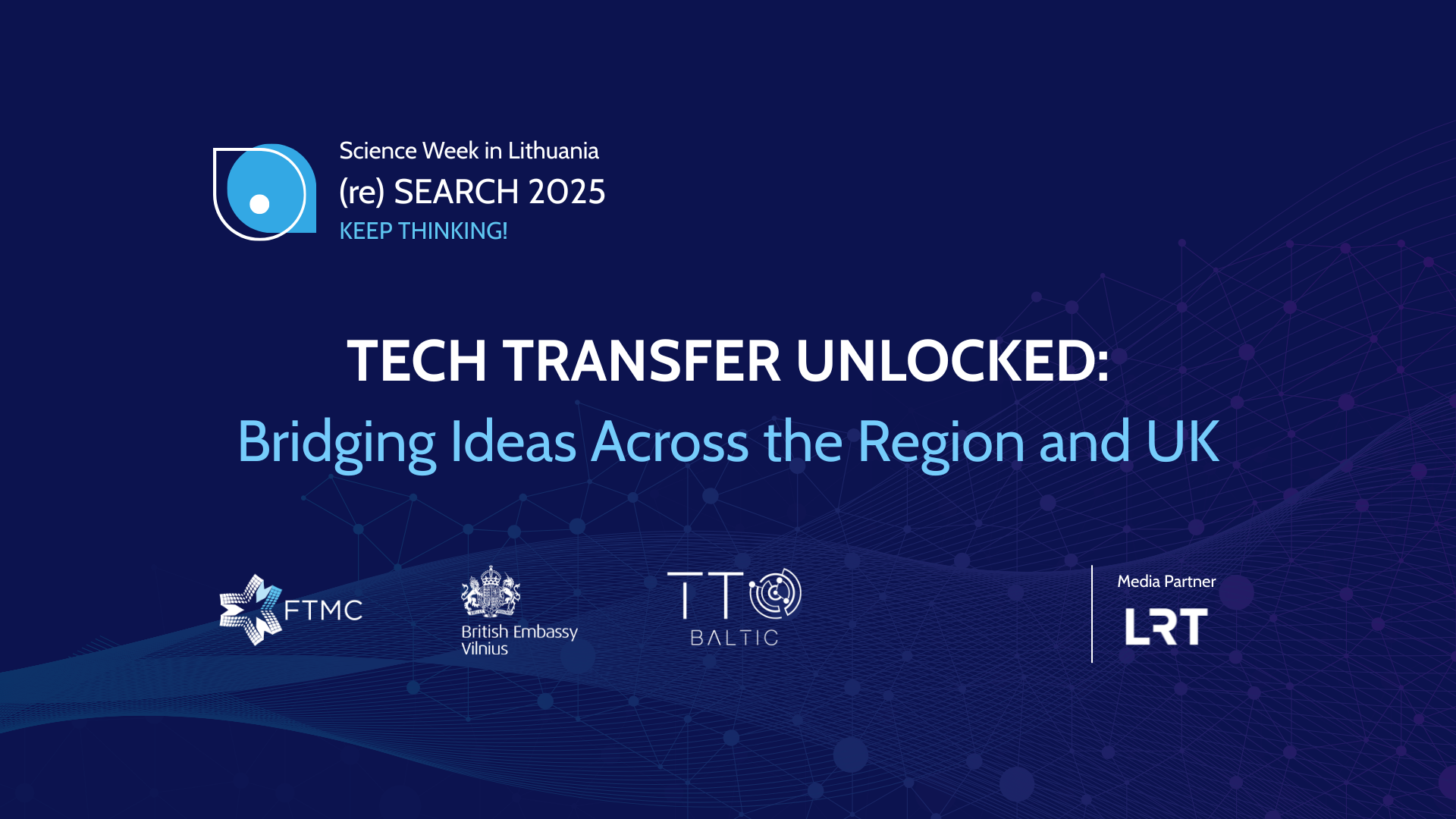
(Organisers’ poster)
You work at the British Embassy in Tallinn, but I’m sure you have a broader view of the Baltic region. From your perspective, what makes the Baltic States interesting to the UK in terms of science and technology?
Although I am based in Estonia, my work covers the whole of the Baltic region, and I travel frequently to Lithuania.
The Baltic States are very like-minded to the UK. The Baltics are recognised as the agile dynamic countries and deeply committed to innovation.
Specifically in Lithuania, areas like semiconductors and biotech align with UK’s strategic industrial priorities, while Estonia is well positioned on digital governance, genomics, and cybersecurity, and for Latvia, it might be hydrogen, sustainable energy, and drones that give it a competitive edge, so together the region has a lot to offer. And I think this offers a huge potential for joint R&D projects, clinical trials and advance manufacturing in these areas between the UK and the Baltics.
From the UK, we see shared values in openness, excellence, and resilience, and we want to continue working together to build interoperable standards, support deep tech ecosystems, and co-create solutions to global challenges.
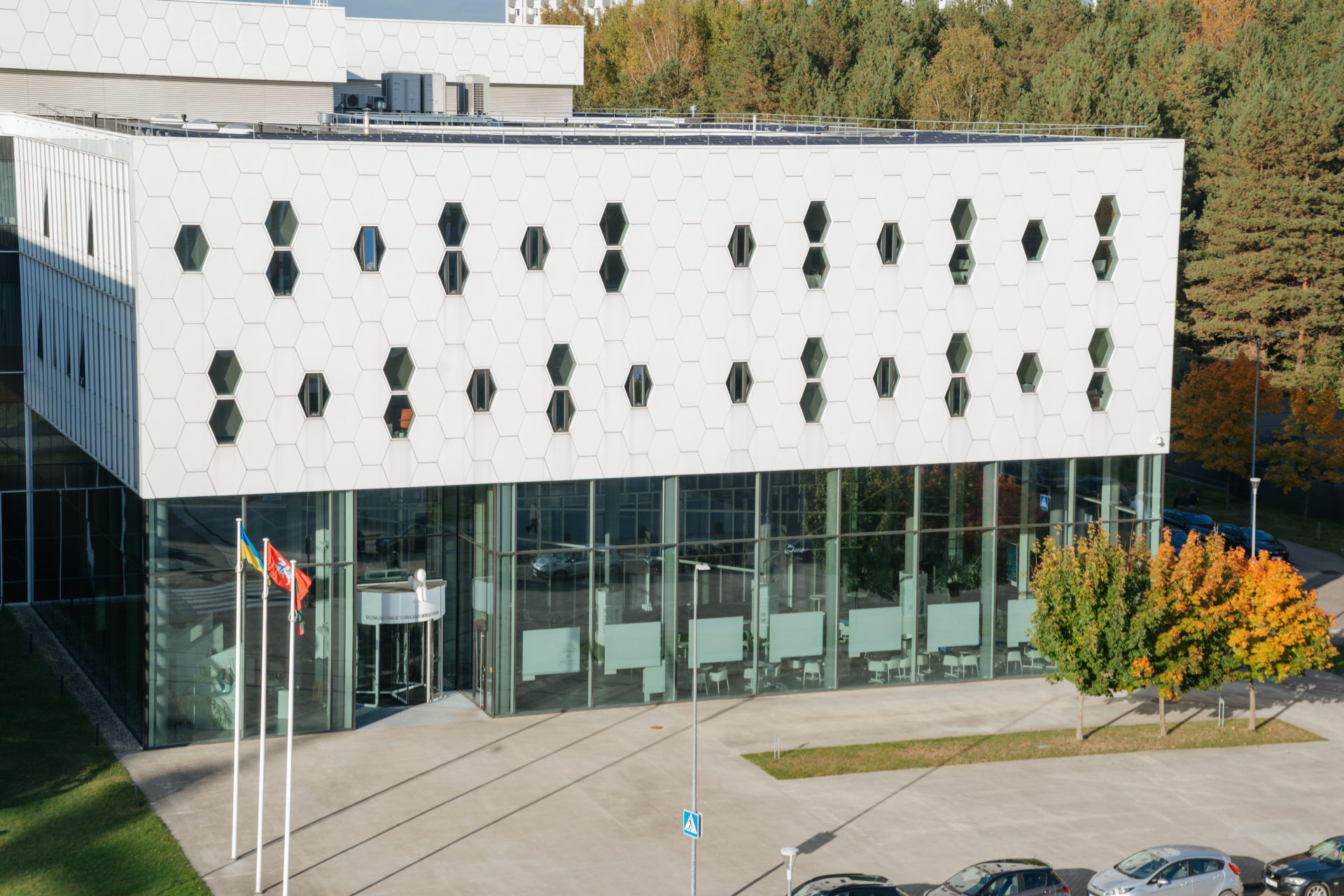
(Photo: Judita Vadeikė / FTMC)
You have mentioned once that the UK values the opportunity to collaborate with the Baltic countries in striving to become leaders in innovation. In your view, what kinds of innovations does Europe currently need, and what do we still lack?
We all strive for leading cutting-edge technology, but I believe we need innovations that are also scalable, secure, and apt for the changing geopolitical context. Areas like AI safety, quantum technologies and antimicrobial resistance demand urgent attention, as we develop solutions for the climate crisis and food security.
An area where there is definitely room for improvement is our ability to move faster from lab to market, especially in deep tech domains that require long development cycles, specialized funding, and cross-sector collaboration. That’s where instruments like Horizon Europe, which the UK is now again fully associated with, play a vital role. They enable us to pool expertise, share risk, and build coalitions of capability across borders.
Concrete examples are always interesting. Could you share, from your experience, how you have helped a company or university make a bold decision that led to unexpectedly good results – and helped to develop innovation?
As a science diplomat, my primary role is to foster international relationships and build networks that enable innovation, rather than directly leading specific innovation projects. However, I’ve seen how strategic connections can catalyse bold decisions with long-term impact.
One example is the Science Advisory Network visit to the UK earlier this year, which brought together Lithuanian and UK counterparts to exchange insights on science advice in government. This initiative wasn’t about a single innovation, but about shaping the way science is integrated in the wider structure. The discussions, I believe, will influence the development of Lithuania’s Science Diplomacy Strategy and the integration of scientific advice in policymaking.
Another powerful indicator of impact is the hundreds of Horizon Europe projects involving Lithuanian and UK researchers. These collaborations are a clear reflection of the strength of the international network we’ve helped nurture. While the outcomes of these projects vary, the hundreds of projects and diversity of partnerships show how a well-connected scientific community can lead to unexpected and transformative results.
In essence, the bold decisions we support often happen behind the scenes, through trust-building, strategic dialogue, and creating the conditions for innovation to flourish.
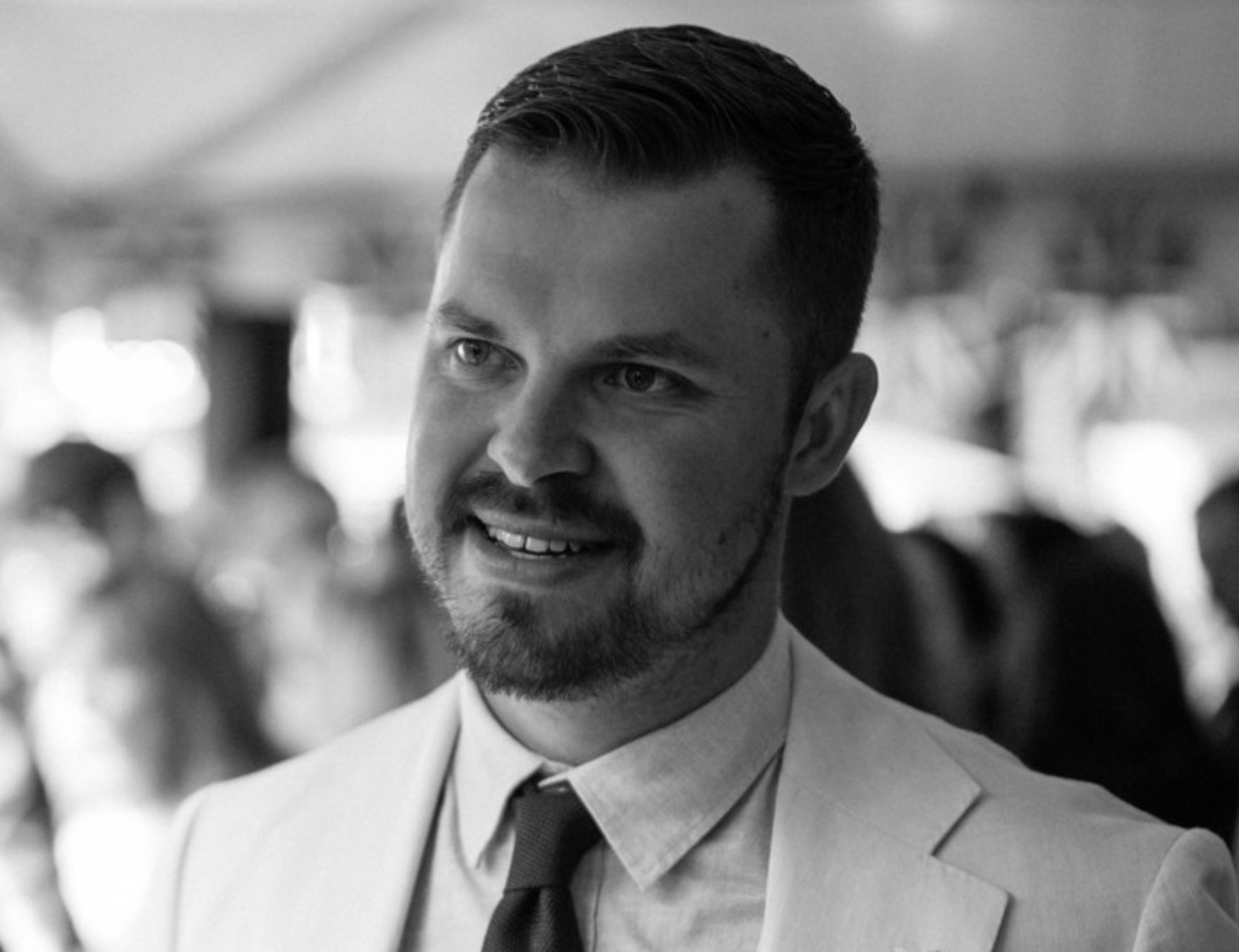
(Cristofer Rybner. Photo from personal archive)
The conference is taking place this Friday. Why, in your opinion, is it worth attending – for scientists, entrepreneurs, and curious minds in general?
Research shows that to unlock access to knowledge and resources and enabling their transfer in value-creating ways we depend on our networks’ qualities. And this is what this conference is, a platform for exchanging knowledge regionally and taking action together as an ecosystem. Bringing leading voices from Cambridge, UCL, FTMC, and across the region under one roof to explore how we turn research into real-world solutions.
So, I would say that if you're a scientist looking to commercialize your work, an entrepreneur seeking partnerships, or simply curious about the future of innovation, this event is a must. We will hear from those with vast experience and share practical insights. But at the end of the day, it is about nurturing the network outside our own labs and institutions, and a chance to shape the regional ecosystem.
As the main organizer, what are your own expectations for the conference? What outcome would make you feel, afterwards, that you could say to yourself: “It was a success”?
Success, for me, means three things: first and foremost, that participants leave with new connections and actionable ideas; second, that we spark collaborations, whether joint funding applications, spinout support, or policy dialogues; and third, that we showcase the Baltic region and the UK as leaders in responsible, high-impact innovation. If we can help turn ideas into ventures, and ventures into solutions, then we’ve done our job.
Interview by Simonas Bendžius