- Home
- News & Events
- News
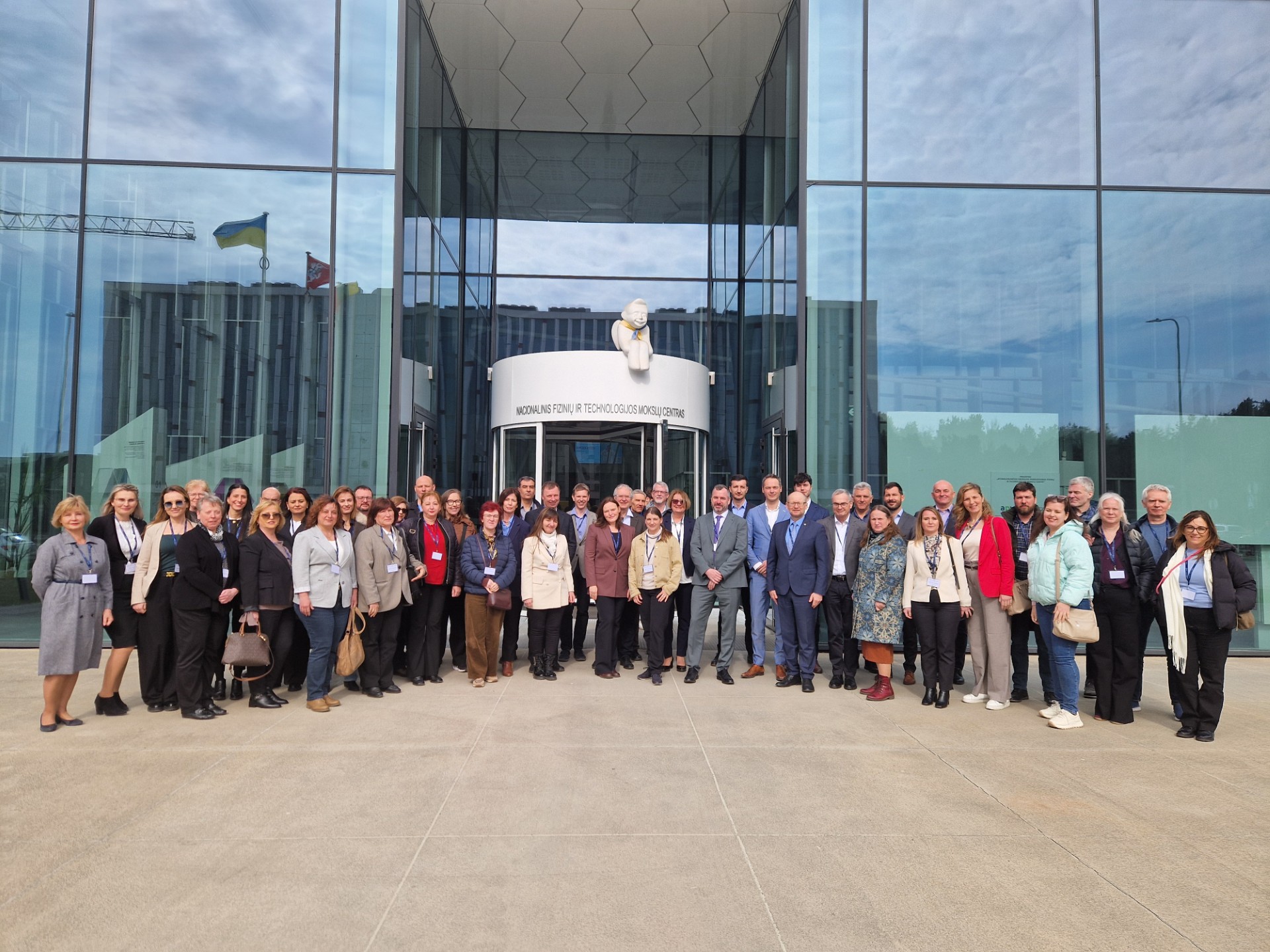
Members of the EURAMET Quality Technical Committee Meet in Vilnius
On 24–27 March, the annual meeting of the Quality Technical Committee (TC‑Q) of the European Association of National Metrology Institutes (EURAMET) took place at the Center for Physical Sciences and Technology (FTMC) in Vilnius.
Each country has its own National Metrology Institute (NMI) and, where necessary, one or more Designated Institutes (DI), in which national measurement standards (the highest level of metrological standards in a country) for various quantities – such as time and frequency, mass, length, and others – are developed, maintained, and improved. These institutions ensure the traceability of their standards to the International System of Units (SI), provide traceability services to public authorities and economic operators, and perform other related functions.
Lithuania’s National Metrology Institute is the FTMC, with NMI functions carried out by a structural unit of the same name. Lithuania also has one Designated Institute – the Lithuanian Energy Institute (LEI), located in Kaunas.
To ensure that institutes across a given region of the world operate in accordance with uniform quality requirements, a common “oversight team” is required. In Europe, this role is fulfilled by the EURAMET TC‑Q, to which each country appoints one representative. During the meeting in Vilnius, participants shared their experience both in person and remotely, while NMIs and DIs that were due to do so presented their Quality Management Systems (QMS) – a process carried out every five years.
FTMC Receives a Highly Favourable Assessment
Emilis Urba, Senior Engineer at the FTMC NMI Time and Frequency Standard Laboratory and Lithuania’s representative to TC‑Q, notes that the meeting was successful and ran smoothly. Around 50 specialists from across Europe attended in person, with a further 20 joining remotely. The event was organised by the NMI team: Eglė Baniulienė, Emilis Urba, Dr Kristina Plauškaitė‑Šukienė, Linas Galkauskas, and Dr Milda Tamošiūnaitė‑Survilienė.
“We are particularly grateful to the FTMC IT Department for the excellent connectivity, video quality, and sound system in the conference hall. The work was not easy, but all the effort was rewarded by the many expressions of gratitude from guests for the well‑organised event and the care and attention shown to participants,” says Urba.
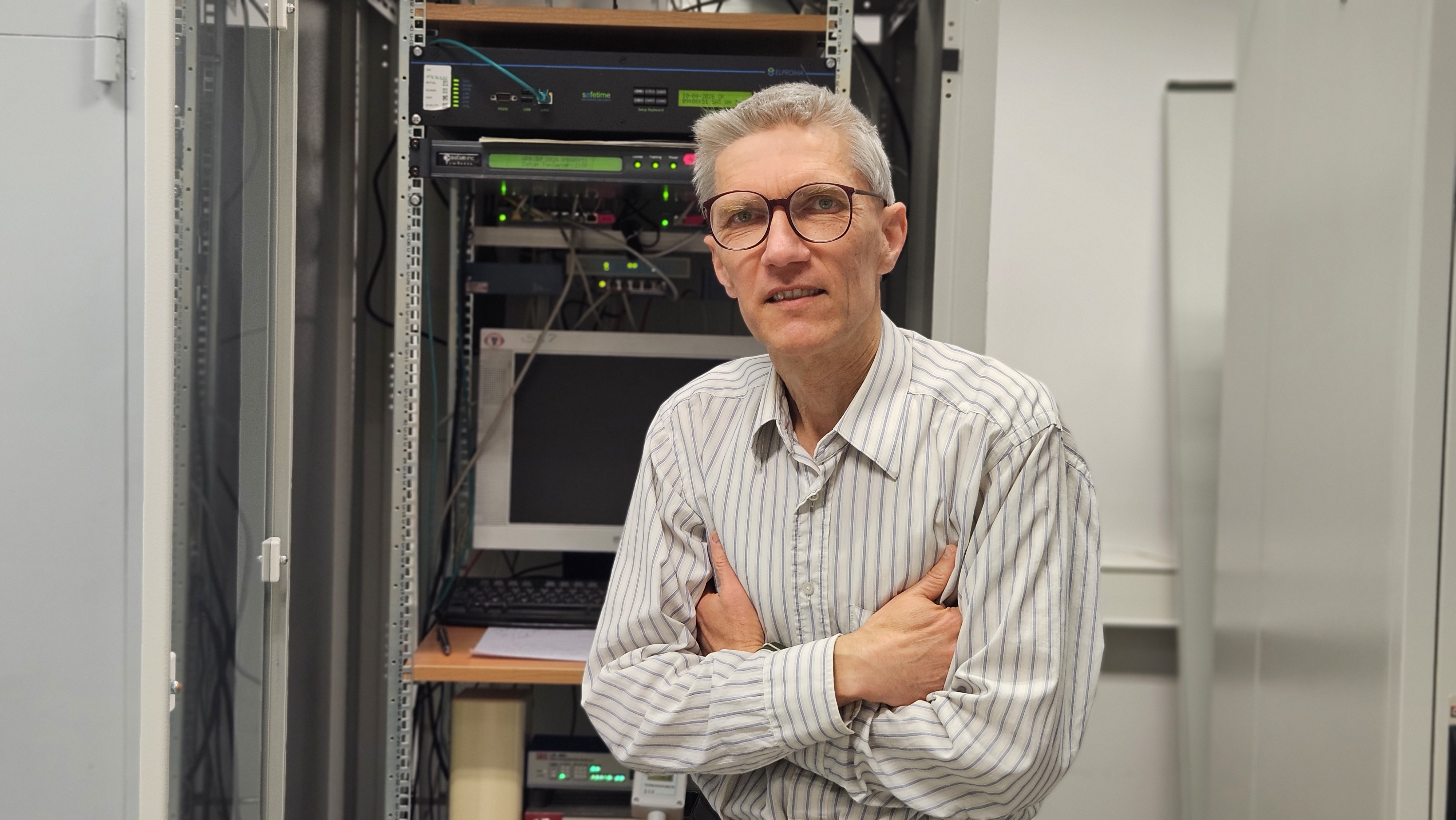
(Emilis Urba. Photo: FTMC)
On the first day of the event, a closed meeting of the TC‑Q Steering Committee took place, during which the committee evaluated documentation submitted in advance. The following three days were devoted to TC‑Q plenary meetings. During these sessions, the QMS of National and Designated Metrology Institutes and Designated Institutes from eight European countries were presented – including those of the Lithuanian NMI (FTMC) and the Lithuanian DI (LEI) – as well as that of the European Commission’s Joint Research Centre (JRC). Nearly twenty presentations were delivered, along with reports from other regional metrology organisations worldwide, and a wide range of topics was discussed. It was decided that the next meeting will be held in Turin, Italy.
“Conditional confidence was granted to many of the presented QMSs – that is, subject to written responses to questions and comments submitted after the meeting; some institutions will also have to resubmit their presentation materials. Confidence in the FTMC QMS was granted without any additional conditions, which is quite rare –during this meeting, it was the only such case,” Emilis Urba notes.
International and Lithuanian guests also visited several FTMC laboratories, and the event concluded with a guided tour of Vilnius. An interesting metrology‑related detail: one of the sites visited was the monument to the scientist and inventor Tito Livio Burattini (1617–1681), who lived in the Grand Duchy of Lithuania for a significant period.
“He is known for creating his own system of measures and describing it in the book Misura Universale, published in Vilnius in 1675 – more than a century before a new system of measures began to be developed in France. Burattini’s metre (Italian: Metro Cattolico – universal metre) is a mathematical pendulum that reaches the lowest point of its swing 3,600 times per hour. Its length differs from the modern metre by about 0.5 cm,” explains the NMI representative.
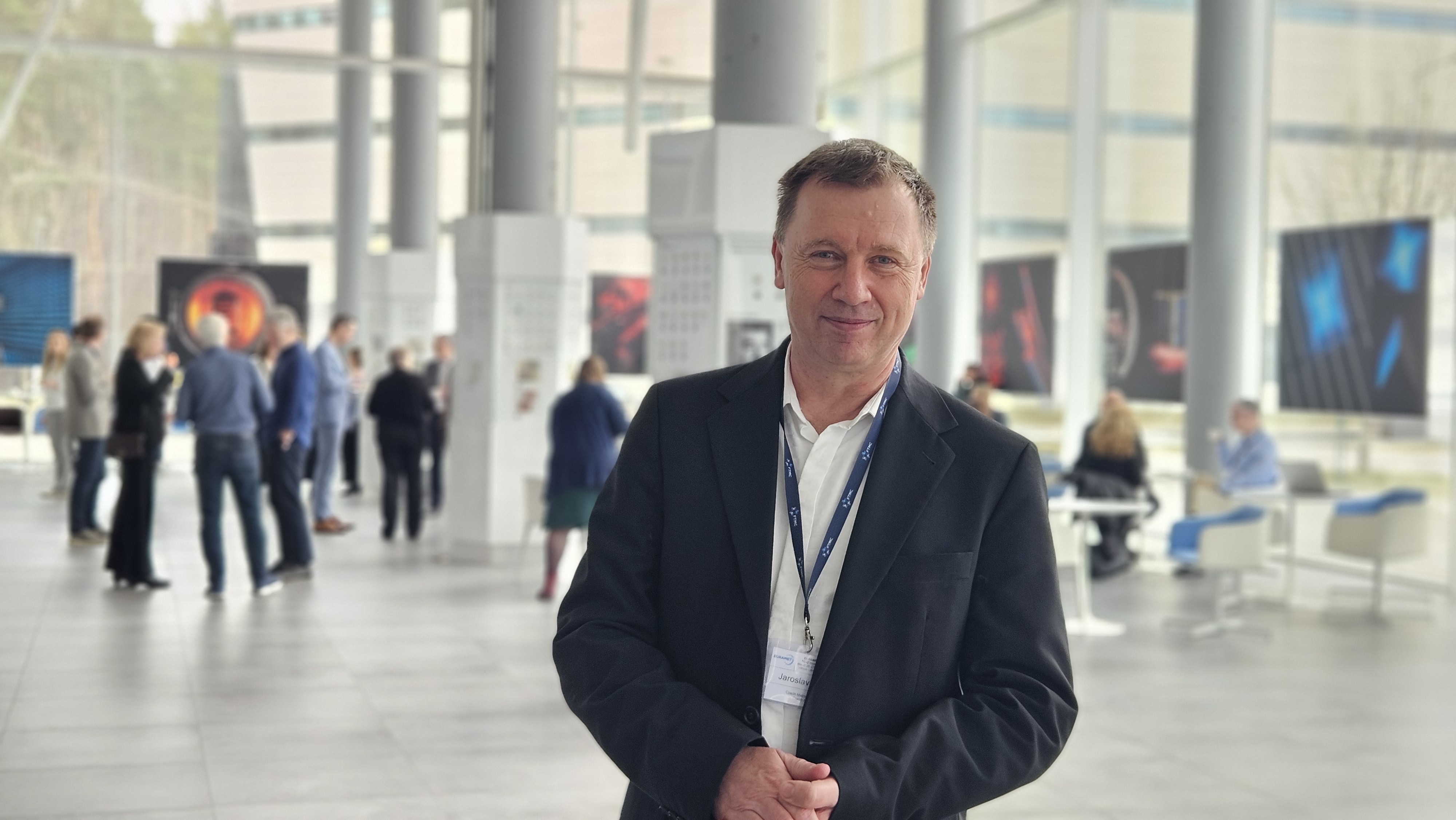
(Jaroslav Mucha. Photo: FTMC)
Aiming to Reduce Workload and Strengthen International Cooperation
EURAMET TC‑Q Chair Jaroslav Mucha, who travelled to Vilnius for the meeting, says that the Committee is continuously striving to ensure that the common quality management system of metrology institutes is recognised not only in Europe but also in other continents – while at the same time reducing bureaucracy:
“We are trying to improve the high level of quality, but also to reduce the burden placed on quality managers and others involved in quality work. It is very difficult, but we are doing our best to achieve that.
Another of our goals is to establish mutual teams among the countries participating in TCQ, and to share competence in specific fields. In each country, the top specialists are focused on very specific areas. They often have no competition within their own country, so the only technical experts at the same level are those from abroad and other institutes. Our goal is to establish mutual communication to share experience, skills, and expertise among countries,” says Mucha.
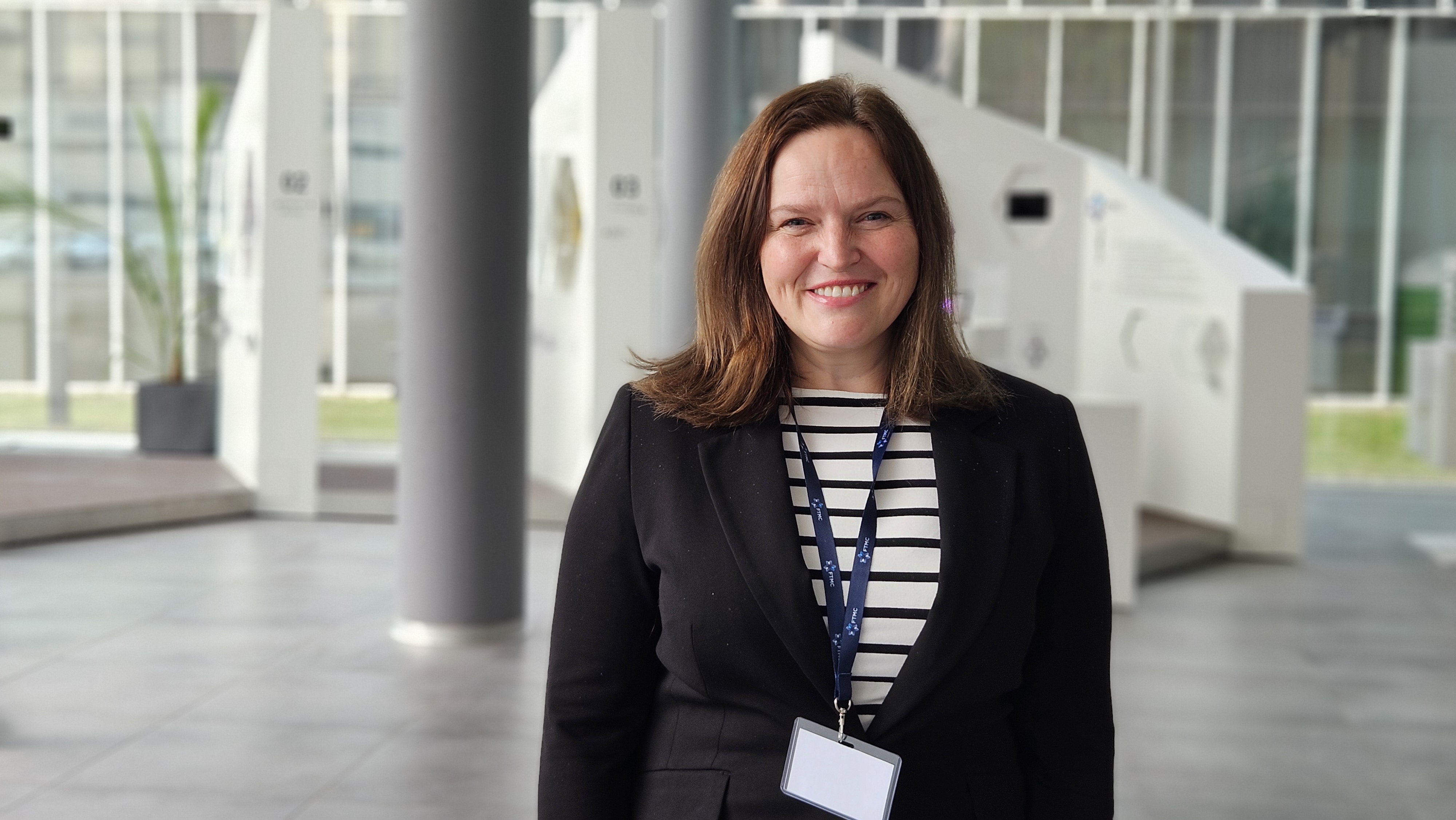
(Silvie Hoffmanová. Photo: FTMC)
EURAMET TC‑Q Secretary Silvie Hoffmanová adds that such regular events are essential to ensure that metrology laboratories in different countries are recognised at the international level.
“The system rests on three pillars that laboratories must fulfil: they must participate in measurement comparisons with other laboratories, submit their calibration and measurement capabilities for review, and operate a reviewed quality management system,” the expert explains.
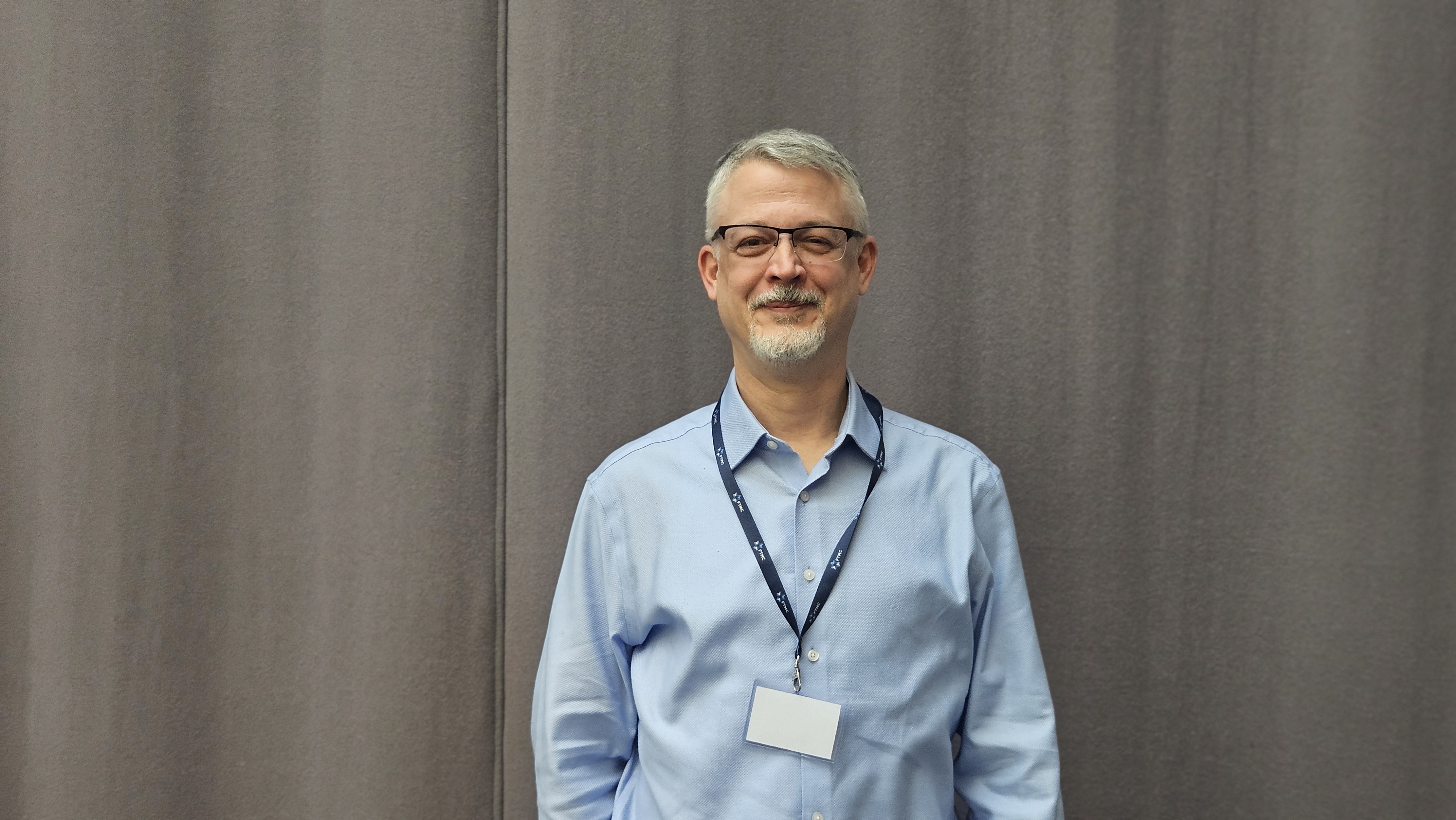
(Ömer Altan. Photo: FTMC)
Why is it important for Europe to have a strong, high‑quality metrology system at all? According to Ömer Altan, Member Services Manager at the EURAMET Secretariat, who also attended the event, metrology is one of the best‑organised scientific fields in the world and must be maintained – for the benefit of every one of us.
“One metre in Lithuania must be equivalent to one metre in the United States and one metre in Japan.
What EURAMET does is create the necessary network for accurate measurements in Europe: national measurement institutes can exchange technical information, compare their measurements, and ensure that they are all doing the same thing, at the same time, using the same references.
And the quality of those measurements eventually filters down into industry, into society, into hospitals, factories, clinics - everywhere where measurements matter,” says Altan.
Info: FTMC