- Home
- News & Events
- News
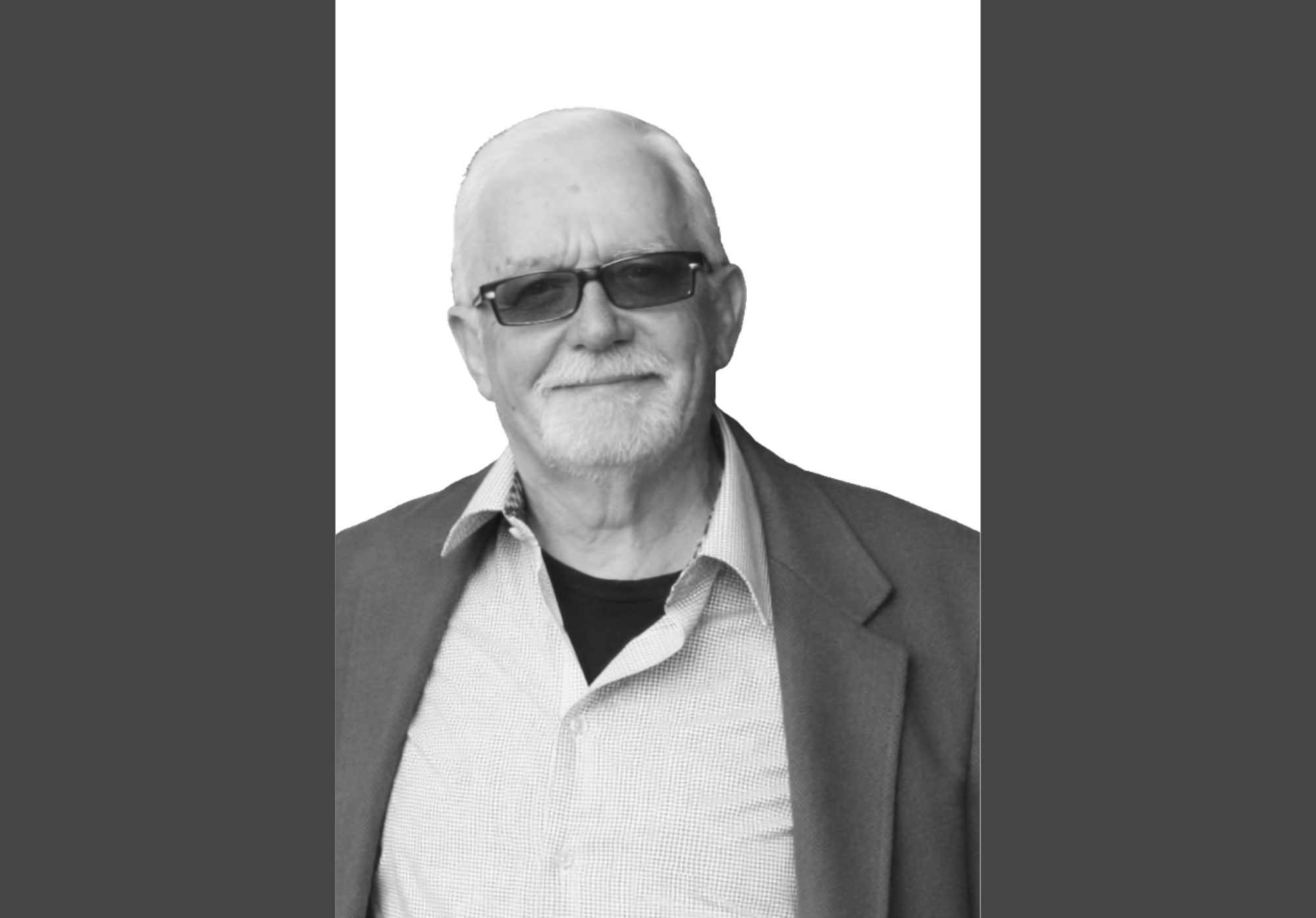
In Memoriam. Pranciškus Rimgaudas Dobrovolskis (1941–2026)
At the age of 84, the distinguished Lithuanian chemist and long‑standing employee of the Institute of Chemistry (later part of the FTMC) Pranciškus Rimgaudas Dobrovolskis has passed away.
He was born in Kaunas on 24 September 1941. He studied chemistry at the Faculty of Chemistry of Vilnius University, graduating in 1968. Under the supervision of Assoc. Prof. Leonas Simanavičius at the Institute of Chemistry and Chemical Technology, he prepared and in 1972 defended his Candidate of Chemical Sciences thesis (later recognised as a doctoral degree) on the electrochemical aluminising process. Experimental work in this field is particularly complex and requires great precision, as the high chemical reactivity of aluminium means that its galvanic deposition is only possible from non-aqueous solutions.
After defending his thesis, P. R. Dobrovolskis worked for many years at the Institute of Chemistry and Chemical Technology (renamed the Institute of Chemistry in 1992). It was here that his exceptional inclination and ability to apply electroplating achievements in practice soon became evident. Recognising these strengths, the Institute’s management appointed him Deputy Director and entrusted him with overseeing all applied research projects and contract-based commercial projects. At that time, the Institute specialised in metal deposition and was one of the leading centres in this field in Eastern Europe. As a result, the implementation of new technologies took place very intensively, insofar as the political and economic conditions of that period allowed.
As the Institute expanded, an Experimental Testing Facility was established in 1978, where newly developed electroplating technologies were tested not only under laboratory conditions but also in semi-industrial settings. Once again, P. R. Dobrovolskis was appointed to lead this unit. Practically all the Institute’s major efforts in implementing advanced electroplating technologies were, to a greater or lesser extent, coordinated or supervised by him.
Alongside his work on implementation, especially in later years, P. R. Dobrovolskis developed his own research in electroplating technology. His most significant progress was achieved in the field of alkaline zinc plating – one of the most widely used galvanic processes. Together with his colleagues, he developed several zinc plating technologies that were soon introduced into production, patented, and licensed to several foreign countries.
This work required an extraordinary level of activity and dedication – qualities that P. R. Dobrovolskis possessed in abundance. There were days when, meeting visitors from various cities, he barely had a moment to spare, slipping away from his office to the laboratory for just a few minutes to share a cup of coffee with colleagues. Unlike many senior managers, he was never overly serious, gloomy, or ill‑tempered. He approached all matters kindly, amicably, and professionally, often lightening the atmosphere with humour. He was never arrogant or conceited. Because of this, he was well-liked and respected by colleagues, and working with him was always pleasant. Those of us who worked at the Institute in those years remember him as an exceptionally energetic and competent colleague with whom it was a pleasure to collaborate.
We extend our heartfelt condolences to the family, relatives, colleagues and all who knew P. R. Dobrovolskis.
You may pay your respects on Sunday from 10:00 to 14:00 at the funeral home on Olandų St. 22 in Vilnius, Hall No. 9. The urn will be taken out at 14:00 on Sunday. The burial will take place at Antakalnis Cemetery.