- Home
- News & Events
- News
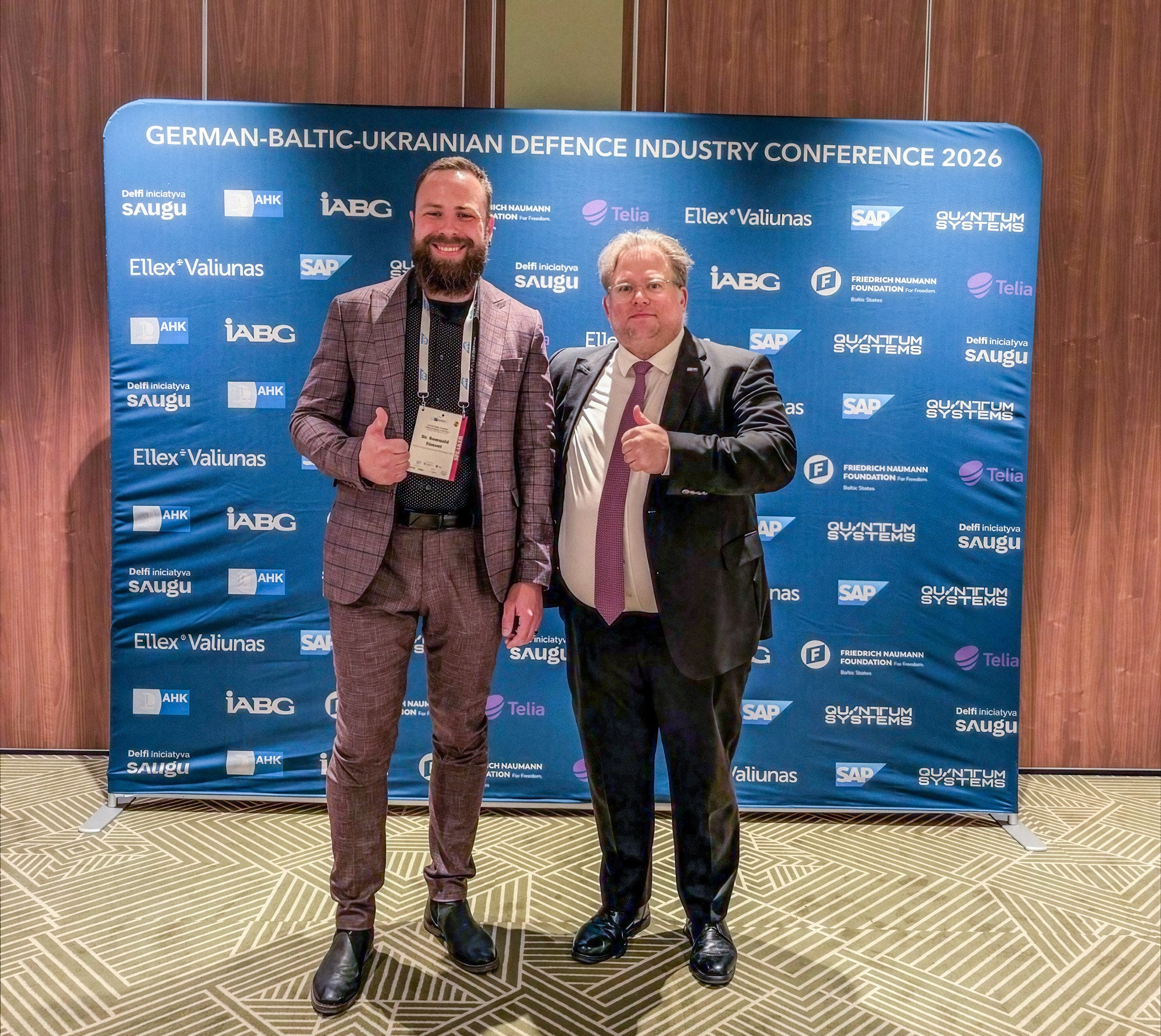
How Science Can Support the Military: FTMC Expert Romuald Eimont Shares Insights at German-Baltic-Ukrainian Defence Industry Conference
Research institutes such as FTMC could join forces to supply the military with advanced materials and technological components. Meanwhile, an interactive map could help identify which institutes are working in specific areas of defence.
These ideas were presented by Dr Romuald Eimont, Head of the FTMC Department of Innovation, during the international German-Baltic-Ukrainian Defence Industry Conference, organised by the German-Baltic Chamber of Commerce (AHK).
The event brought together senior representatives from government institutions, armed forces, industry and academia from Lithuania, Germany, Ukraine and other countries to discuss the evolving security environment and strengthen regional cooperation.
According to the FTMC expert, the event focused on finding practical solutions across different areas of defence. Participants were divided into thematic working groups that examined specific challenges and developed recommendations.
“Even before the event, the organisers had collected insights from a range of experts. We were referred to not as speakers, as is usually the case, but as input providers, because these were not traditional presentations. Experts contributed initial ideas and recommendations, which later served as the basis for group discussions. All of this was linked to previously prepared documents outlining proposals for strengthening preparedness for various security and defence challenges,” explains Eimont.
Several thematic groups operated during the conference. FTMC’s representative participated in the group dedicated to critical infrastructure and resilience. He discussed how research institutes could combine their expertise to strengthen the resilience of both the state and industry, not only in preparation for potential threats but also in response to crises already unfolding.
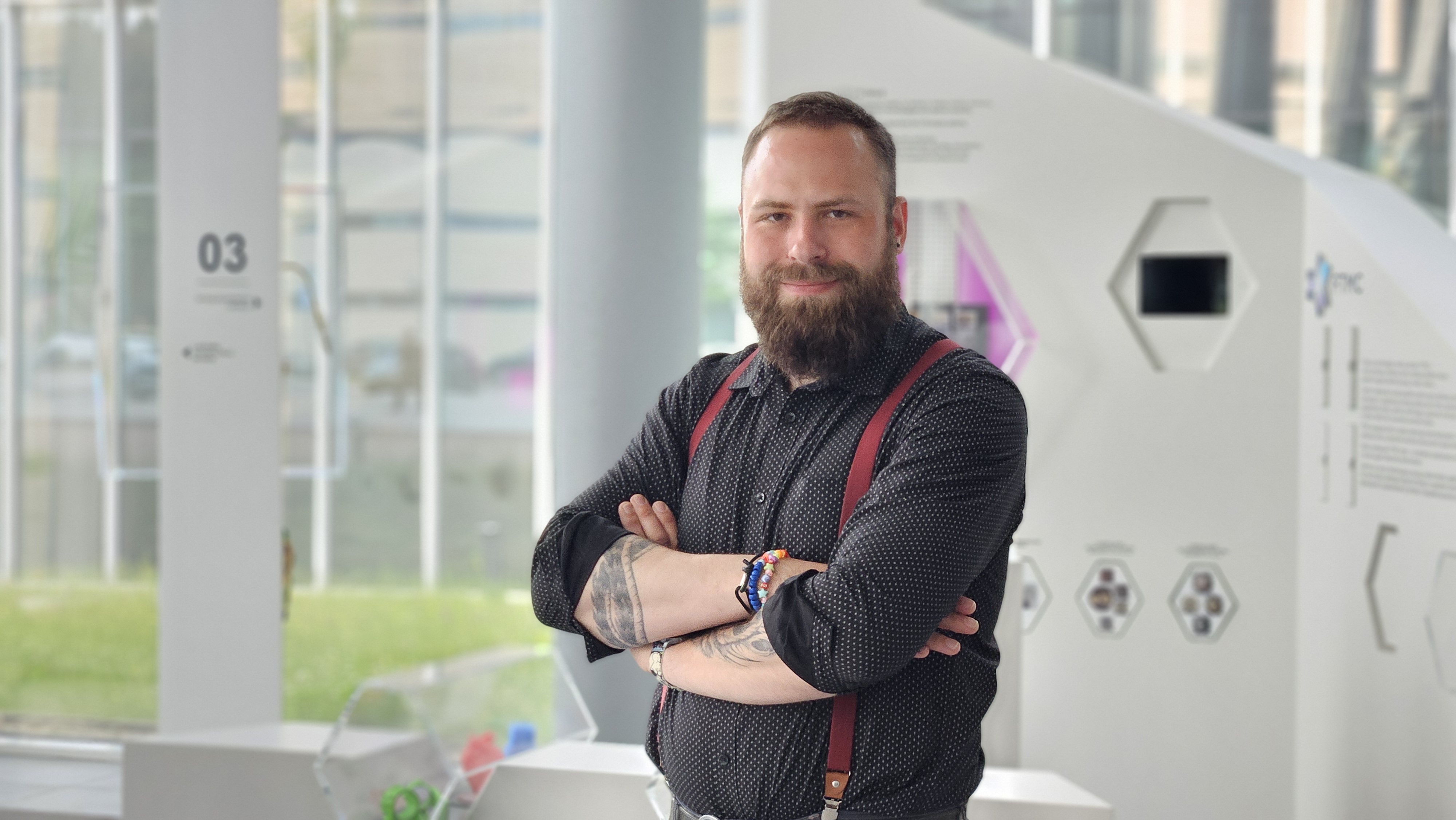
(Dr Romuald Eimont. Photo: FTMC)
“One of the ideas I put forward concerned the resilience of supply chains in the event of military conflict or other crises. I suggested systematically identifying supply chains that are critical to industry and assessing what support research institutes could provide if the supply of specific materials or components were disrupted.
For example, institutes could offer certification, quality assessment and analytical services that would enable alternative materials or suppliers to be evaluated more quickly. By drawing on research infrastructure and specialist expertise, it would be possible to assess whether new components meet the required standards and can be used in applications.
In the context of FTMC, this could include structural analysis of materials, characterisation and validation of photonics components, as well as testing and certification of textile products in an accredited laboratory. Such capabilities could play an important role in addressing a wide range of supply-chain challenges,” says the Head of FTMC Department of Innovation.
Another proposal put forward by the expert was the creation of a more comprehensive map of testing and research centres across Lithuania, or even Europe. Such a system would provide a clear overview of available expertise and infrastructure, particularly for research relevant to the defence sector. If information on laboratories, services and specialist fields were centralised and easily accessible, suitable partners and research capabilities could be identified much more quickly.
“The discussion itself was highly diverse because the experts represented different sectors. Participants included representatives not only from the Ministry of National Defence, but also from Lithuanian Airports, LTG Cargo and the Klaipėda State Seaport Authority. Each participant approached the issue of resilience from their own professional perspective.
At first glance, topics such as railway infrastructure, ports and deep technologies may appear to have little in common. However, the discussions revealed many areas of overlap. It was fascinating to see how perspectives from different sectors complement one another and how advanced technologies can contribute to strengthening resilience across a wide range of fields,” shares Eimont.
Source: FTMC