- Home
- News & Events
- News
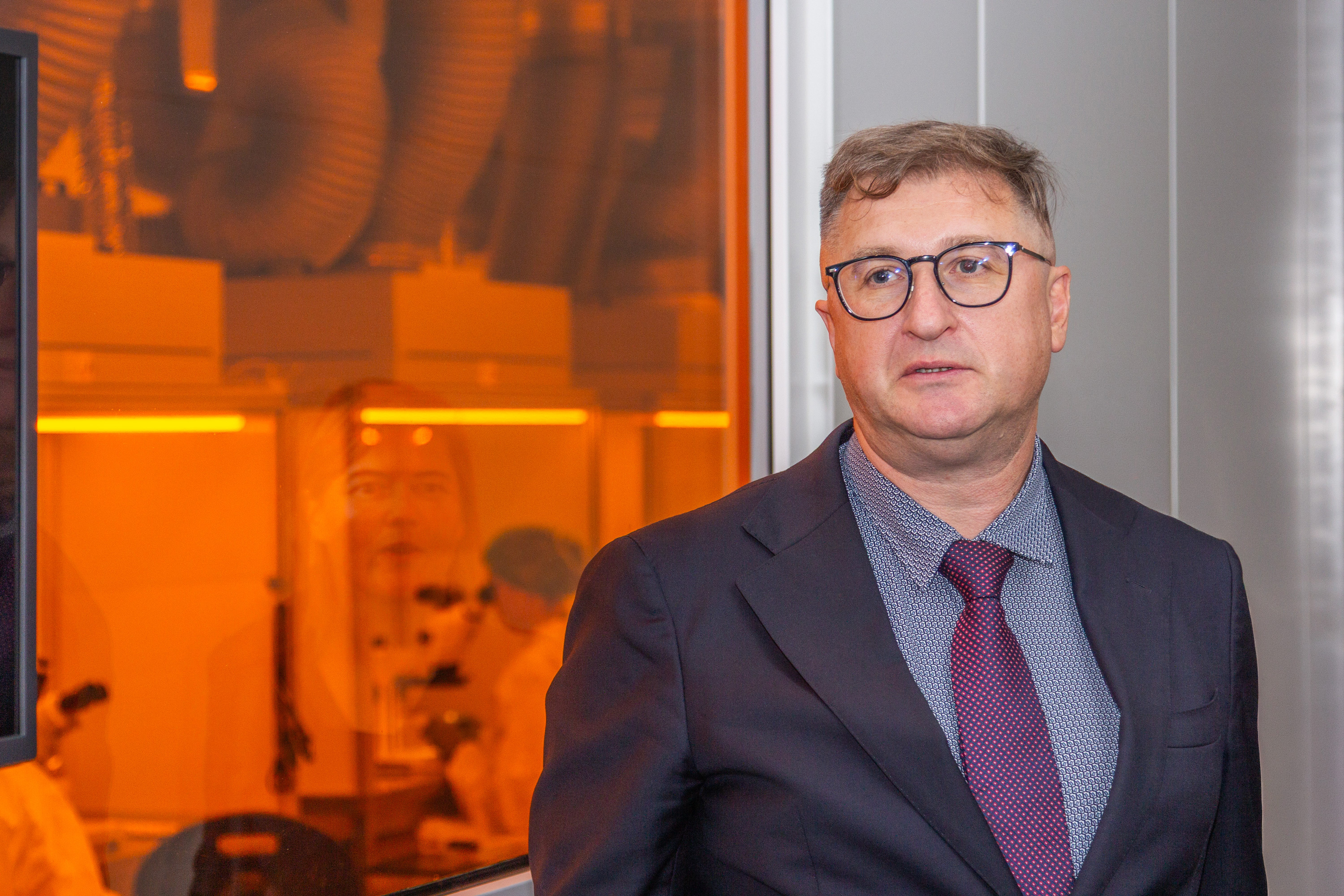
FTMC-Born Technology Becomes a Unique Business Success: “Litilit” Opens Femtosecond Laser Factory with the World's Highest Potential Production Capacity
Femtosecond laser manufacturer “Litilit” opened a new laser factory in Vilnius which, according to the company, has the highest potential femtosecond laser capacity in the world. “Litilit” plans to scale the capacity gradually, targeting 1000 femtosecond lasers a year during first year after launch, and reach 3000 at full capacity. The majority of the factory’s lasers will be exported to Europe, North America and Asia.
Nikolajus Gavrilinas, co-founder and CEO of “Litilit”, says that the new factory marks an important milestone both for the company, which has been developing its laser technology since 2014, and for the whole laser industry.
“The growing use of femtosecond lasers in semiconductor manufacturing, data center equipment, electronics, medicine and other fields is driving demand across Europe, North America and Asia. Our factory comes at exactly the right time and will serve businesses on all three continents. The Vilnius plant is only the first stop; later, we plan to replicate this model in other countries together with our international partners," says Gavrilinas.
The company developed its technology based on two international patents, one of which was made in collaboration with FTMC in Lithuania.
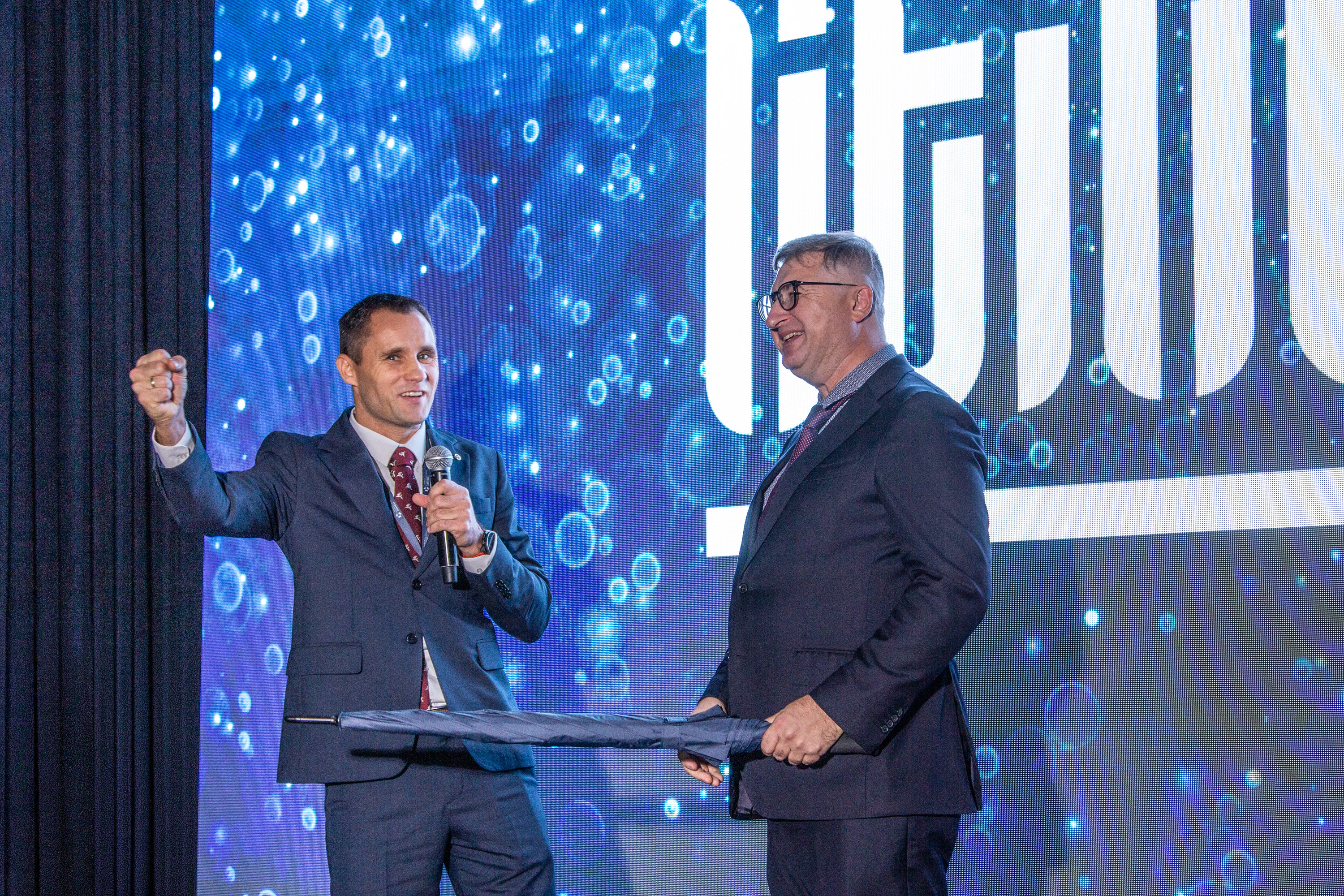
(Prof. Dr Ramūnas Skaudžius and Nikolajus Gavrilinas. Photo: Gabrielius Mackevičius / FTMC)
Prof. Dr Ramūnas Skaudžius, director at FTMC, says the factory is a reminder that the value of scientific research is measured not only by publications or patents. It also confirms that in Lithuania it is possible to complete the entire journey from a scientific idea to a product serving global markets.
“The laser technology developed and patented at FTMC has now become the foundation of advanced industrial manufacturing. Yet the technology itself is not the most important part of the story. What matters most is that knowledge created in Lithuania has been transformed into a business capable of competing on the international stage. This is a long and demanding journey that requires not only scientific excellence, but also entrepreneurial courage, investors’ confidence, and perseverance,” Skaudžius says.
Femtosecond lasers use extremely short pulses that process materials with only minimal heat damage to surrounding structures. This quality, known as cold ablation, makes them indispensable in applications ranging from eye surgery and vascular stents to manufacturing computer chips and display screens.
Construction of the factory began this June. Located in SIRIN Development premises on Plunges Street in Vilnius, the factory covers over 4,000 sq m. and houses a CNC metal machining shop, robotized assembly and testing shops, and an ISO 5 cleanroom of about 2,500 sq m, one of the largest in the Baltics. The total value of the project is 6 million euros.
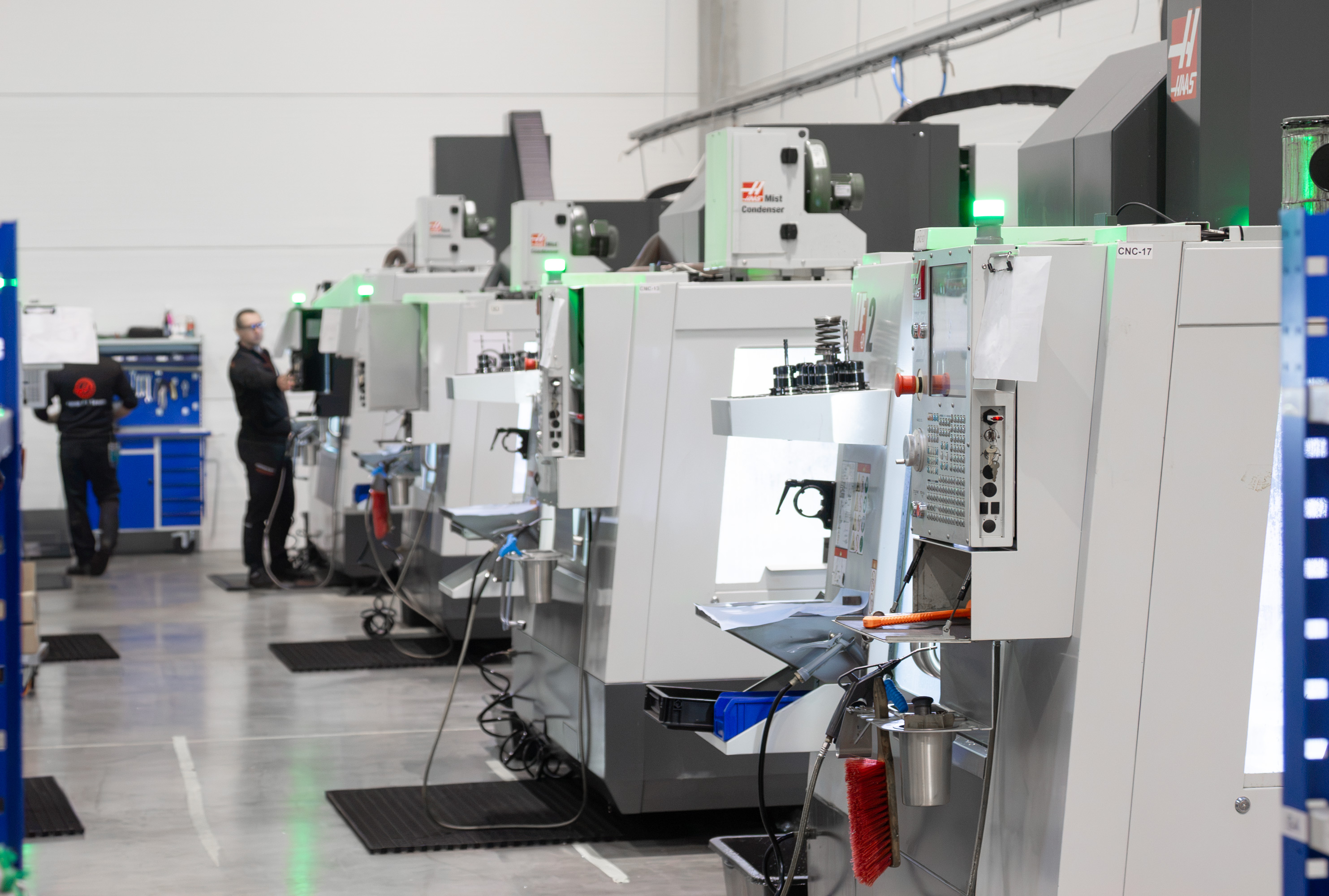
(Photo: Gabrielius Mackevičius / FTMC)
Gavrilinas notes that femtosecond laser production remains limited worldwide because the technology evolved from scientific systems and is notoriously difficult to produce at scale. Last year, global femtosecond laser production capacity was an estimated 9,600 units, according to Reports and Markets.
“Litilit” can scale laser production quickly because of its patented architecture based on modular design, reduced component complexity and a high level of automation. At full capacity, the factory will employ about 150 people, several times fewer than conventional production would require. Besides scalability, the architecture also gives “Litilit‘s” lasers a performance edge. According to Gavrilinas, they reach around 20% electrical-to-optical efficiency and are up to half the size of the industry average, which makes them easier to integrate into production lines.
Source: “Litilit”