- Home
- News & Events
- News
From Sensor Development to Exploring the Universe: 14 FTMC PhD Students Awarded Research Council of Lithuania Funding for Research Visits
14 PhD students from the Center for Physical Sciences and Technology (FTMC) have been awarded funding by the Research Council of Lithuania (RCL) for research visits. The number of winners this year is remarkably high, reflecting the richness of talent and the quality of FTMC doctoral studies.
During these visits, the early-career scientists will present their current research at international conferences and placements, broaden their horizons, and gain experience from world-leading experts in their respective fields. Several of the doctoral candidates have already participated in such conferences this summer.
The aim of RCL funding is to create opportunities for doctoral candidates to improve their scientific qualifications through participation in events held abroad, increase the international mobility of PhD students, and support the international dissemination of Lithuanian research results.
FTMC PhD students provide further insight into their academic visits and the scientific topics they are investigating.
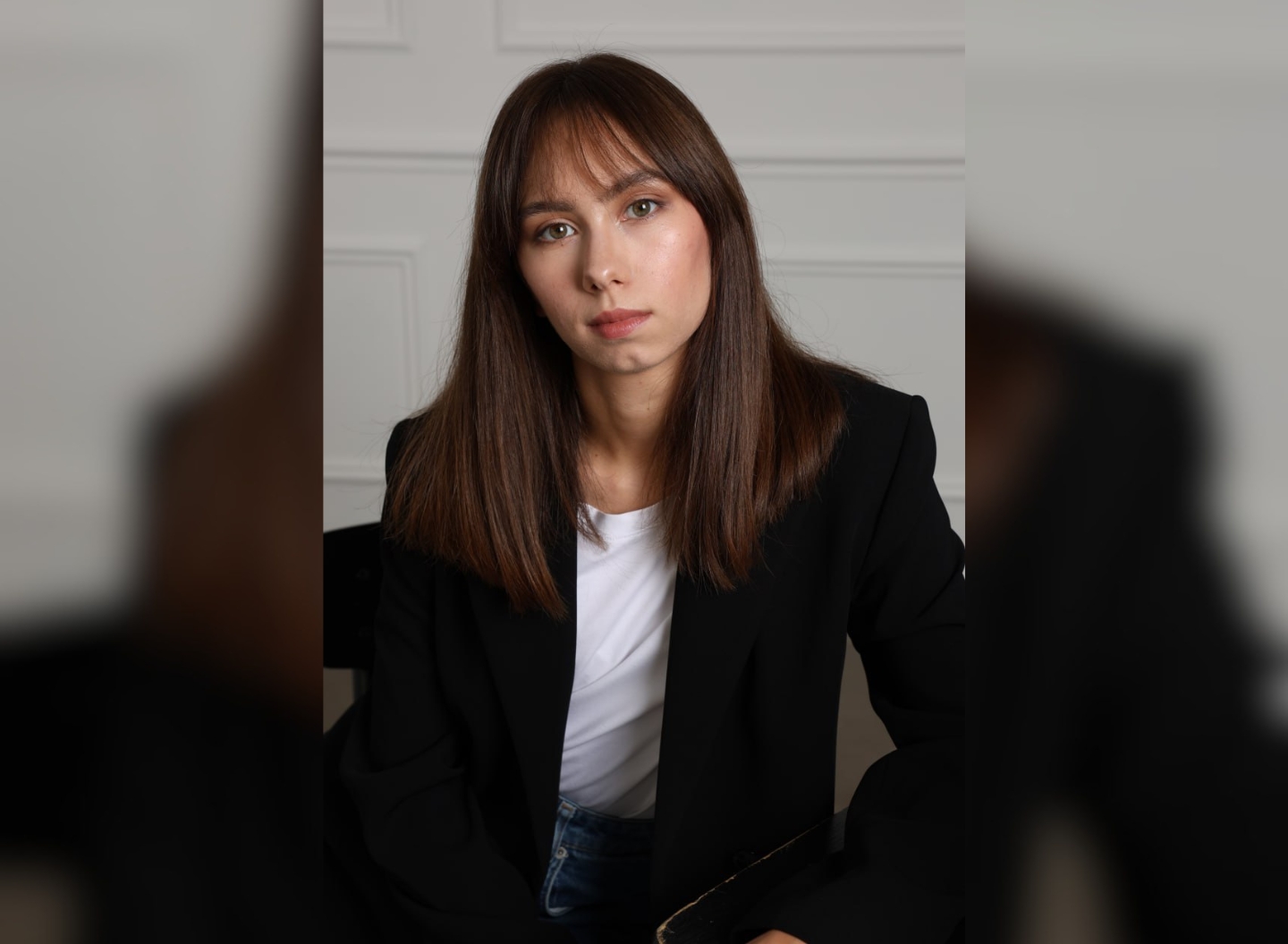
Anastasija Aleksandrovič (Department of Organic Chemistry) (RCL Contract No. P-DAK-26-150)
Her doctoral thesis focuses on reusable biosensors designed for the detection of toxins and other disease-causing agents, as well as for other diagnostic purposes. Anastasiia is developing a system for these sensors based on models of surface-immobilised membranes.
The PhD student plans to undertake a research placement at the Polytechnic University of Milan, where she will investigate surface-supported lipid membranes using advanced electrochemical and microscopic research methods. She will also learn to synthesise chemical compounds intended for membrane disruption and will develop and investigate membranes that mimic bacterial cell membranes.
“The relevance of my dissertation lies in the application of toxin detection to human health research, with the aim of identifying pathogens at an early stage and preventing further disease progression. In addition, the regeneration of self-organising biosystems that I am developing creates opportunities to produce reusable sensors characterised by sustainability, responsible use of resources, and economic benefits,” says Aleksandrovič.
According to her, very little research has so far been conducted into how to restore membranes damaged by toxins, as it is difficult to remove bound proteins from them without damaging the underlying molecular layer on which the membrane is formed.
Another innovative aspect of her work is the use of electrochemical impedance spectroscopy, a method that allows researchers to observe how a system responds to a very weak alternating electrical signal. While it is typically employed to investigate the electrical properties of a system, in this work it is used to monitor changes in membrane structure and membrane damage.
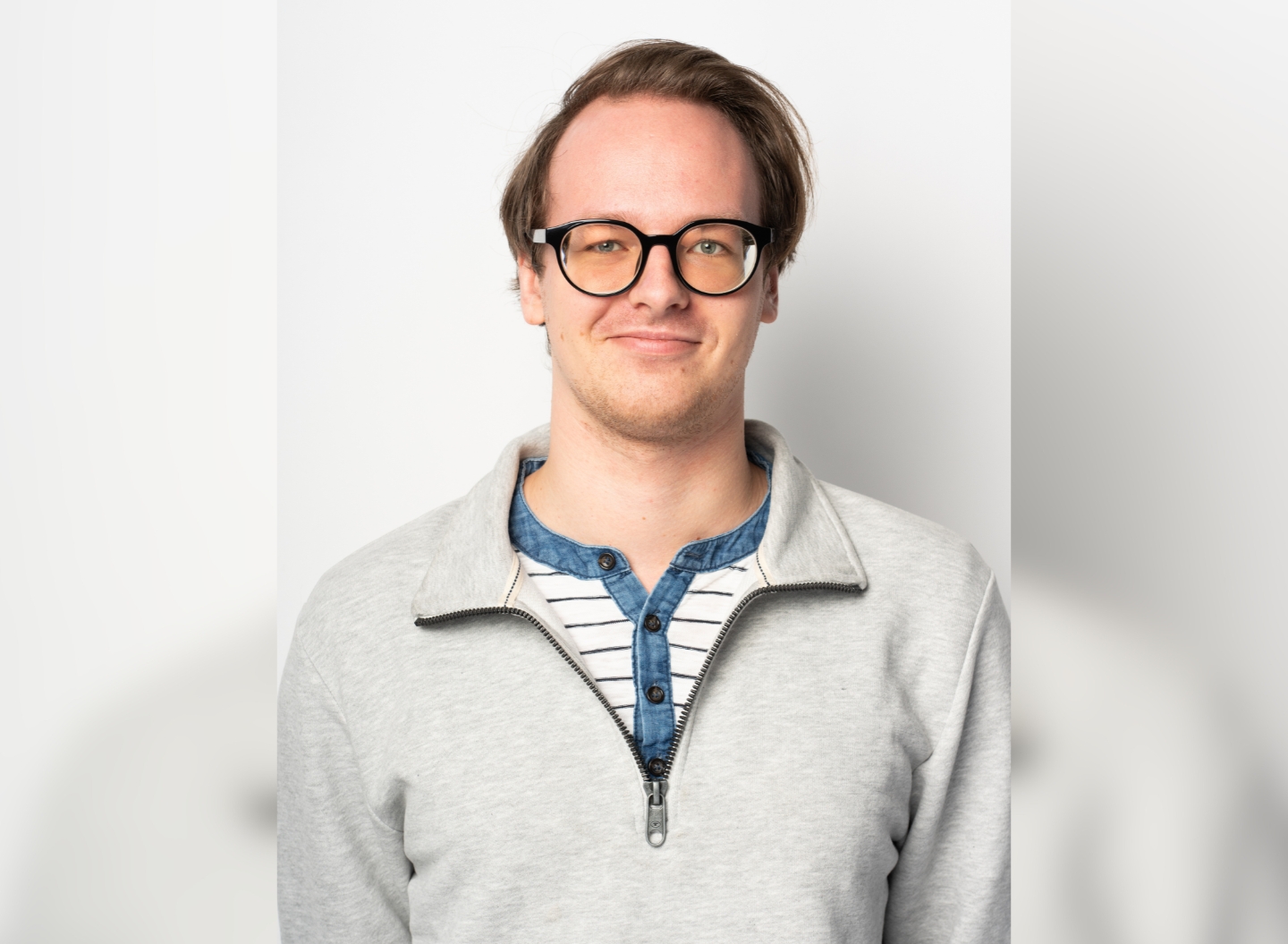
Karolis Daugevičius (Department of Fundamental Research) (RCL Contract No. P-DAK-26-106)
From 6 to 10 July, Italy hosted the international conference How Stars Move Around and What They Tell Us About Galaxies’ Masses, Formation and Evolution. Researchers explored how stellar motions and chemical composition can reveal the structure, formation and evolution of galaxies.
A considerable number of presentations focused on stellar streams, chemodynamics (the relationship between the chemical composition of stars and their motions), and what these studies can reveal about the merger history of galaxies, particularly in the early Universe, with a strong emphasis on the Milky Way.
“At the conference, I presented a talk on star clusters in the disc of the Andromeda Galaxy. In this study, we investigate how the size and structure of these clusters change over time and whether their properties are significantly affected by the gravitational field of the galaxy as a whole.
Our results indicate that young star clusters undergo rapid expansion during their first few tens of millions of years. However, this process is most likely driven primarily by phenomena occurring within the clusters themselves, such as gas expulsion, stellar evolution and gravitational interactions between stars. At the same time, we do not observe any clear dependence of cluster size on their location within the Andromeda Galaxy, suggesting that the influence of the large-scale galactic gravitational field is relatively weak.
Research into star clusters helps connect small-scale star formation processes with the structure and evolution of entire galaxies. This enables us to gain a deeper understanding of how stars form within galaxies and how stellar populations change over time,” explains Daugevičius.
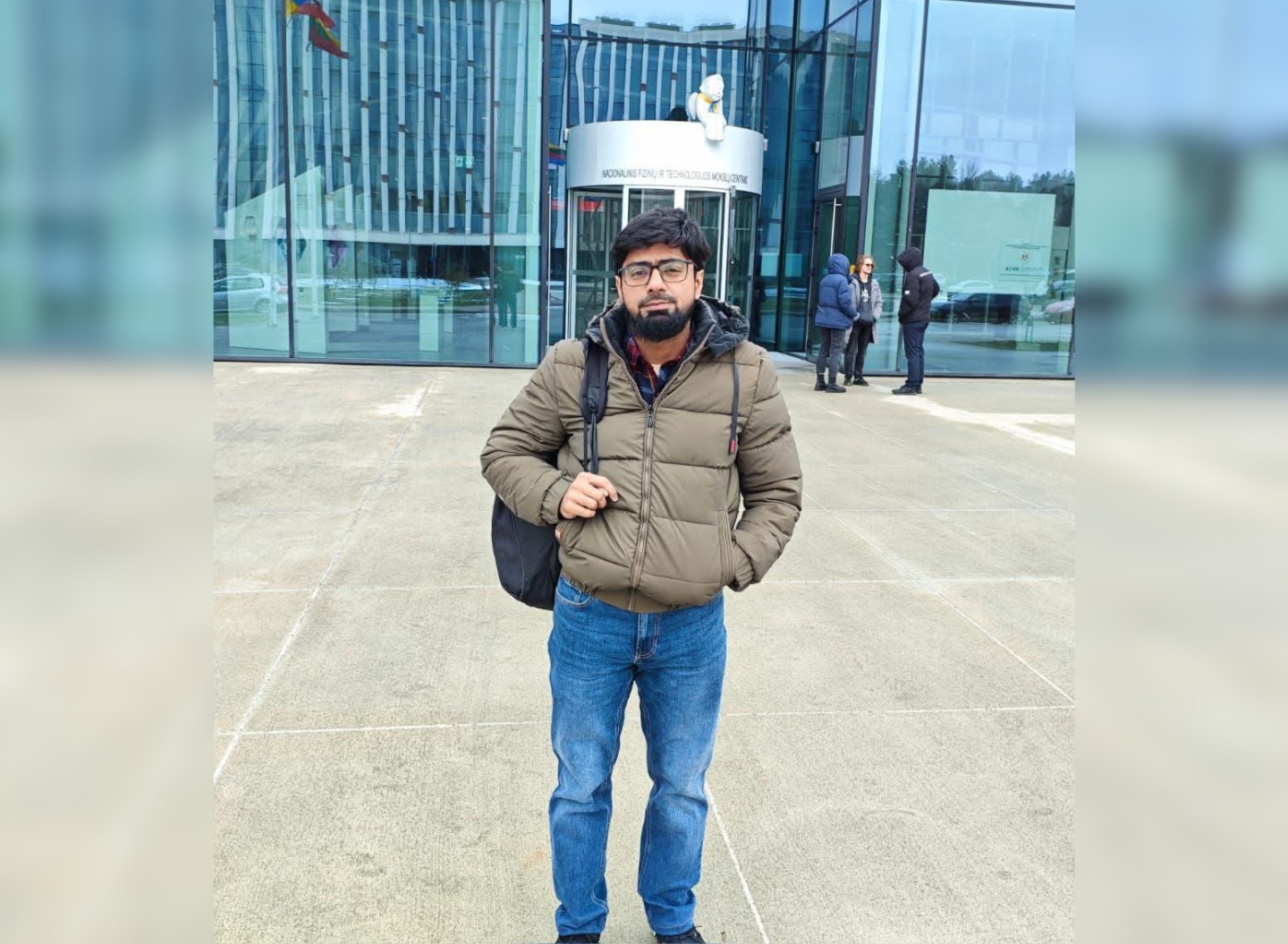
Muhammad Naeem Hafiz (Department of Catalysis) (RCL Contract No. P-DAK-26-85)
The doctoral candidate will participate in the prestigious 250th meeting of the Canada-hosted Electrochemical Society (ECS), one of the most important global events in electrochemical science and technology. According to Muhammad, the meeting brings together leading researchers and experts seeking solutions to pressing global energy challenges.
The FTMC PhD student will deliver an oral presentation at the event.
“I will be sharing our research on the Electrochemical Compositing of NiFe-LDH Materials with a Co(OH)₂ Framework to Tune OER Activity through Interlayer Redox Mediation, which focuses on engineering advanced hybrid catalyst structures to accelerate the Oxygen Evolution Reaction (OER). By unlocking fundamental insights into charge transfer and interlayer mediation, this work addresses a primary efficiency bottleneck in water-splitting technologies.
Ultimately, developing these high-performance, cost-effective catalysts is a crucial step toward scaling up green hydrogen production, helping pave the way for a clean, sustainable energy future,” explains Hafiz.

Rodrigas Liudvinavičius (Department of Laser Technologies) (RCL Contract No. P-DAK-26-127)
In October, Rodrigas will participate in the international conference Nanophotonics and Micro/Nano Optics International Conference 2026 (NANOP) in Rome, where he will deliver an oral presentation entitled Direct Laser Writing of Plasmonic Microbump Arrays on Different Substrates: Formation Dynamics and Resonance Dependence.
“This conference is one of the leading international events in the fields of nanophotonics, plasmonics and advanced optical materials, bringing together researchers, doctoral candidates and industry representatives from around the world. The conference showcases the latest research on plasmonic structures, metamaterials, metasurfaces, the optical properties of nanostructures and the development of nanophotonic devices.
In my presentation, I will discuss the research conducted during my doctoral studies on the formation of plasmonic microstructures using the femtosecond direct laser writing method. Specifically, I produce plasmonic microbump arrays on a 50-nanometre-thick gold coating.
The study investigates how different substrates, including glass, silicon, sapphire, indium tin oxide, stainless steel and other materials coated with gold, influence the shape of the resulting microstructures and their optical properties. This research will contribute to a better understanding of how the choice of substrate material affects light-matter interactions at the nanoscale. Such knowledge is important for the development of highly sensitive optical sensors, next-generation photonic elements and other technologies that may in future find applications in medical diagnostics, environmental monitoring and chemical detection,” explains FTMC PhD student.
Paulina Nemaniutė-Daubarė (Department of Chemical Engineering and Technology) (RCL Contract No. P-DAK-26-126)
In September, Paulina will participate in the Topical Meeting of the International Society of Electrochemistry in Poland, where she will present a poster entitled Functional Polyurethane-Based Layers for Aqueous Sodium-Ion Energy Storage Systems.
“The study focuses on functional polyurethane-based layers for electrodes in aqueous sodium-ion batteries. This topic is highly relevant to the development of safer, longer-lasting and more sustainable energy storage technologies, and the results may contribute to the creation of next-generation batteries.
Prior to the conference, I will also take part in the jointly organised doctoral summer school Electro-Summer 2026, a satellite event of the conference. There, I will deepen my knowledge of advanced electrochemical research methods, including electrochemical impedance spectroscopy, operando techniques and in situ spectroscopic methods. The knowledge acquired will be directly applicable to the further development of my doctoral research,” says Paulina.
Julianija Nikitina (Department of Laser Technologies) (RCL Contract No. P-DAK-26-102)
Like her colleague Rodrigas, the researcher will participate in the Nanophotonics and Micro/Nano Optics International Conference 2026 (NANOP) and will present a poster.
The work is based on a recently published paper in the journal Optical Materials, which describes a polariser developed and successfully tested by Julianija and her colleagues. The device is an ultra-thin optical element designed to “filter” light according to its polarisation, allowing one polarisation state to pass while blocking or reflecting another.
The FTMC team fabricated an exceptionally thin titanium dioxide layer through which one polarisation state passes almost completely, while the transmission of the other is reduced by approximately a factor of one thousand. Such an extremely compact, robust and efficient polariser could be used in advanced optical systems and lasers.
Aswathi Raveendran (Department of Electrochemical Materials Science) (RCL Contract No. P-DAK-26-103)
In September, the doctoral candidate will attend the International Conference on Nanomaterials: Applications & Properties in Montenegro, organised by the Institute of Electrical and Electronics Engineers (IEEE).
“The prime focus of our Conference is on nanoscale materials with emphasis on interdisciplinary research exploring and exploiting unique physical and chemical proprieties of these materials for practical applications.
I am presenting a poster on my work on magnetic nanoparticles and its application in wastewater treatment,” explains Raveendran.
Gytautė Sirgėdaitė (Department of Organic Chemistry) (RCL Contract No. P-DAK-26-99)
She will participate in the international Raman spectroscopy conference ICORS 2026 in Turkey. This is one of the most important conferences in the field, bringing together researchers, industry representatives and students from around the world to discuss the latest advances in Raman spectroscopy, nano- and biophotonics, materials science, and applied spectroscopic methods. At the conference, Gytautė will present a poster entitled Copper Oxide Nanostructures for UV-SERS.
“Raman spectroscopy is a widely used scientific technique in which laser light directed at a material provides information about the vibrations of its molecules, allowing us to gain insight into various properties of the material.
In Surface Enhanced Raman Spectroscopy (SERS), nanoparticles of various metals are used. Metallic nanoparticles or nanostructured surfaces are essential components of the SERS technique, acting as highly sensitive signal amplifiers that increase the Raman signal of specific biological molecules. Many biologically important molecules, such as cancer biomarkers, amino acids and proteins, absorb ultraviolet (UV) radiation much more effectively than other compounds present in the same biological tissue. By using UV radiation to excite the signal, the Raman signal of these molecules can be selectively enhanced, significantly improving the selectivity of the SERS method.
Recently, my colleagues from FTMC demonstrated for the first time that copper and copper oxide are suitable materials for ultraviolet surface-enhanced Raman spectroscopy. This achievement is both novel and significant, as it is the first demonstration that copper and copper oxide nanostructures can be effectively applied in UV-SERS studies and can enable much more precise identification of low-molecular-weight biochemical compounds.
In my presentation, I will introduce copper oxide nanostructures synthesised by a chemical reduction method. These structures exhibit signal enhancement in the UV region. Only the first part of the research will be presented at the conference, while work on the second phase will continue. Our goal is to develop composite nanoparticles consisting of copper oxide and magnetic iron oxide nanoparticles, providing a dual function. Magnetism allows for improved control of particle deposition, concentration and analyte collection.
I believe that this conference will provide an excellent opportunity to establish new scientific contacts with researchers working in similar fields, gain valuable experience and find inspiration for future work,” says Sirgėdaitė.

Justina Stonytė (Department of Nanoengineering) (RCL Contract No. P-DAK-26-136)
During a placement at the Practical Palaeoproteomics Summer School conference hosted by the University of Copenhagen, the researcher will deepen her knowledge of palaeoproteomics, which enable the detection and analysis of ancient proteins preserved in archaeological, palaeontological and geological samples.
“Through practical training sessions, I will learn protein extraction, preparation and analysis techniques and explore their applications in archaeology and biomolecular research.
Fungi are preserved only very rarely in archaeological remains, which means that we still know relatively little about their role in human history. By learning to apply palaeoproteomics, I hope to enhance my research with a new biomolecular tool that, together with the methods I already use, will help uncover previously invisible biological traces. This will allow us to gain a better understanding of our ancestors’ diet and the broader relationship between humans and fungi in the past,” explains Stonytė.
For many years, scientists were unable to determine whether prehistoric people consumed fungi. They consist largely of water, decompose rapidly and are therefore almost never preserved as fossils. However, recent methodological advances have finally made it possible to identify fungal DNA and microscopic fungal remains in the mouths of our ancestors, as well as on vessels and clothing. The FTMC PhD student is contributing to this important area of research and, in April, provided commentary for the prestigious popular science magazine New Scientist.
Raminta Šakickaitė (Department of Catalysis) (RCL Contract No. P-DAK-26-114)
She will attend the International Summer School on Electrocatalysis and Organic Electrosynthesis 2026, which will take place in Switzerland from late August to early September.
The event will bring together researchers, doctoral students and industry representatives working in the fields of electrocatalysis and organic electrosynthesis from around the world. Lectures will be delivered by internationally recognised experts from universities, research institutes and industrial companies. They will present the latest scientific achievements, advanced technologies and their applications in sustainable energy, green hydrogen production and the chemical industry.
“Such events provide an opportunity not only to learn about the latest scientific trends, but also to establish international collaborations and share research results with the global scientific community.
At the summer school, I will present a poster entitled Electrochemical Alcohol Oxidation with Transition Metal Oxides. The aim of the research is to identify more efficient and sustainable methods for green hydrogen production. In conventional water electrolysis, oxygen is produced during the anodic reaction. However, this is energetically unfavourable and requires substantial energy input. In my research, alcohol oxidation reactions are investigated as an alternative to oxygen evolution. These reactions reduce the energy required for electrolysis while simultaneously producing valuable chemical compounds for industrial applications.
The research focuses on CoNiFeOx transition metal catalysts and their ability to catalyse the electrochemical oxidation of ethanol, 1-propanol, 2-propanol and ethylene glycol. The quantity of products formed, reaction selectivity and energy requirements are assessed. These reactions can generate aldehydes, ketones and carboxylic acids, chemical compounds widely used in the chemical, pharmaceutical, cosmetics and other industries,” explains Raminta.
According to the researcher, this work is important not only for improving green hydrogen production but also for developing more sustainable processes in the chemical industry. A single electrochemical process can produce hydrogen while simultaneously generating high-value chemical feedstocks from renewable electricity. Such an approach allows more efficient energy utilisation, reduces production costs and contributes to the development of a more sustainable and environmentally responsible chemical industry.
Tayyab Tahir (Department of Nuclear Research) (RCL Contract No. P-DAK-26-129)
He will participate in the YUCOMAT 2026 conference organised by the Materials Research Society of Serbia and held in Montenegro. This internationally recognised event brings together leading scientists from around the world to present the latest advances in materials science, nanotechnology, biomaterials and environmental technologies. At the conference, Tayyab will present a poster highlighting the results of his doctoral research.
“My research focuses on developing sustainable bio-based adsorbent materials derived from agricultural waste, particularly buckwheat hulls and their modified composites, for the efficient removal of toxic heavy metals from contaminated water. By converting low-value biomass into high-performance water purification materials, this research offers an environmentally friendly and cost-effective approach to wastewater treatment while supporting the principles of the circular economy.
This research is important because heavy metal contamination poses a serious threat to both ecosystems and human health. Developing sustainable technologies for water purification is essential for addressing global environmental challenges and ensuring access to clean water for future generations,” explains Tahir.

Apostolos Tsampodimos (Department of Fundamental Research) (RCL Contract No. P-DAK-26-124)
At the end of August, Leiden University in the Netherlands will host COSMO-26, an international conference on particle physics and cosmology. Topics include the nature of dark matter, the physics of the early Universe and the fundamental particles that make up our Universe.
According to the FTMC PhD student, COSMO is one of the largest annual venues for researchers in this field and plays an important role in fostering collaboration between theorists and experimentalists, the kind of exchange that has historically driven major advances in the field. Conferences like this remain an important fixture for the community, offering a chance to take stock of recent progress and set direction for open questions in the years ahead.
At the conference, Apostolos will deliver an oral presentation entitled A Disformal Affair: How Lorentz Violation Mimics Dark Matter.
“My own work sits at the intersection of cosmology and mathematical physics and looks at how observables, the quantities a theory predicts we can measure, such as position, energy, or spin, are defined. The definitions we use do not capture in a fully satisfactory manner what happens in the laboratory: an apparatus produces a signal, and that signal has to be interpreted in order to give it physical meaning.
I am trying to formalize that entire process by connecting the observable in a theory to the act of measuring and interpreting it. This could allow us to say precisely when two theories, even if based on very different mathematics, describe the same physics, in other words, the same universe.
My long-term goal is to use this framework to better understand quantization, since many different quantum theories can, in principle, give rise to the same classical theory,” says Tsampodimos.

Gitana Valeckytė (Department of Catalysis) (RCL Contract No. P-DAK-26-148)
Portugal will host the GREEN IUPAC 2026 International Conference on Green Chemistry, where Gitana will present a poster entitled Four-component Nickel-based Catalyst for Efficient Hydrolysis of Sodium Borohydride.
The conference will bring together scientists from around the world to present the latest achievements in green chemistry and discuss sustainable solutions aimed at reducing the environmental impact of technologies.
“In my poster presentation, I will introduce a novel four-component nickel-based catalyst designed for hydrogen generation from sodium borohydride (NaBH₄) solutions. Research conducted at FTMC aims to develop effective and sustainable alternatives not only to noble-metal catalysts but also to cobalt-based catalysts. While cobalt catalysts demonstrate high efficiency, increasing attention has been paid in the scientific literature to their potential negative effects on the environment and human health. Consequently, one of the key objectives of this research is to develop safer, more environmentally friendly and economically attractive catalysts that can contribute to the advancement of sustainable hydrogen-production technologies.
This topic is highly relevant both scientifically and socially, as efficient and sustainable hydrogen production is one of the most important directions in the development of clean energy. Participation in the GREEN IUPAC 2026 conference will provide an opportunity to present the results of FTMC research to the international scientific community, establish new collaborations and gain ideas for further research,” shares Valeckytė.
Kernius Vilkevičius (Department of Laser Technologies) (RCL Contract No. P-DAK-26-105)
Kernius has already taken part in META, the world’s largest international conference on metamaterials, photonic crystals and plasmonics, held in Ireland and bringing together approximately 1,000 presenters.
The FTMC doctoral candidate presented a poster entitled Direct Laser Writing of Ag-Au Thin Films for Plasmonic Sensing Platform.
“Essentially, we presented a rapid method for processing thin metallic coatings to create periodic nanostructures. Building on a paper published last year, we also demonstrated the potential of these platforms for the development of plasmonic sensors.
As this is the principal conference in the fields of metamaterials and plasmonics, it attracts a very large number of specialists, making it an excellent venue for identifying potential collaboration opportunities and discovering new applications for the gratings we produce,” says Vilkevičius.
Source: FTMC